
Getting dinner on the table can feel harder than it should, even when you planned ahead. Plenty of people follow meal planning tips, make grocery lists, and still end up frustrated at 6 PM wondering what went wrong.
Most of the time, it is not one big, obvious mistake. It is a handful of small habits that sneak in, trip you up, and make cooking dinner feel more stressful than it needs to be.
Below are 7 categories of common dinner planning mistakes. Within those categories are 23 specific habits that quietly sabotage your evenings. Each section links to a full guide with every mistake in that group and simple ways to fix it.
1. Overplanning (and Burning Out by Wednesday)

Cooking from scratch every single night and packing the week with ambitious new recipes sounds great on Sunday. By Wednesday, it is exhausting. This category is all about doing too much, too soon, and burning out before the week is over. Plan a few easy nights and a leftovers night so the plan still works when you are tired.
→ Read more about Overplanning Mistakes
2. Underplanning (and Scrambling Last Minute)
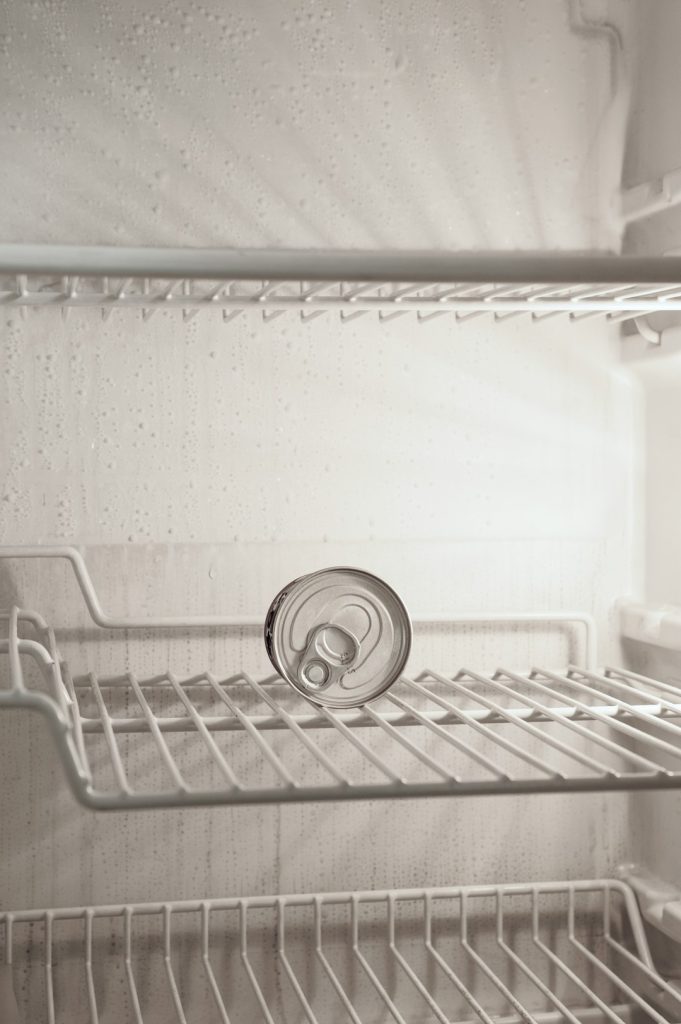
Forgetting the side dish, skipping the grocery list, or never checking what is already in the fridge leaves you unprepared when dinnertime rolls around. If you often find yourself improvising, and not in a fun way, this section is for you. Even a rough plan with three dinners and a short list can save a lot of stress.
→ Read more about Underplanning Mistakes
3. Misjudging Time and Tools

The recipe says 30 minutes, but dinner is still not done an hour later. Prep time, thawing frozen meat, preheating the oven, and quirks in your own equipment all add up. Read the whole recipe before you start and pull frozen meat into the fridge the night before.
→ Read more about Timing and Tool Mistakes
4. Making It Too Complicated

Dinner does not need to be a production every night. New ingredients every day, overly detailed systems, and making everything from scratch can wreck your consistency. Lean on simple, repeatable meals and save the big projects for the weekend.
→ Read more about Overcomplicated Planning
5. Ignoring Real Life
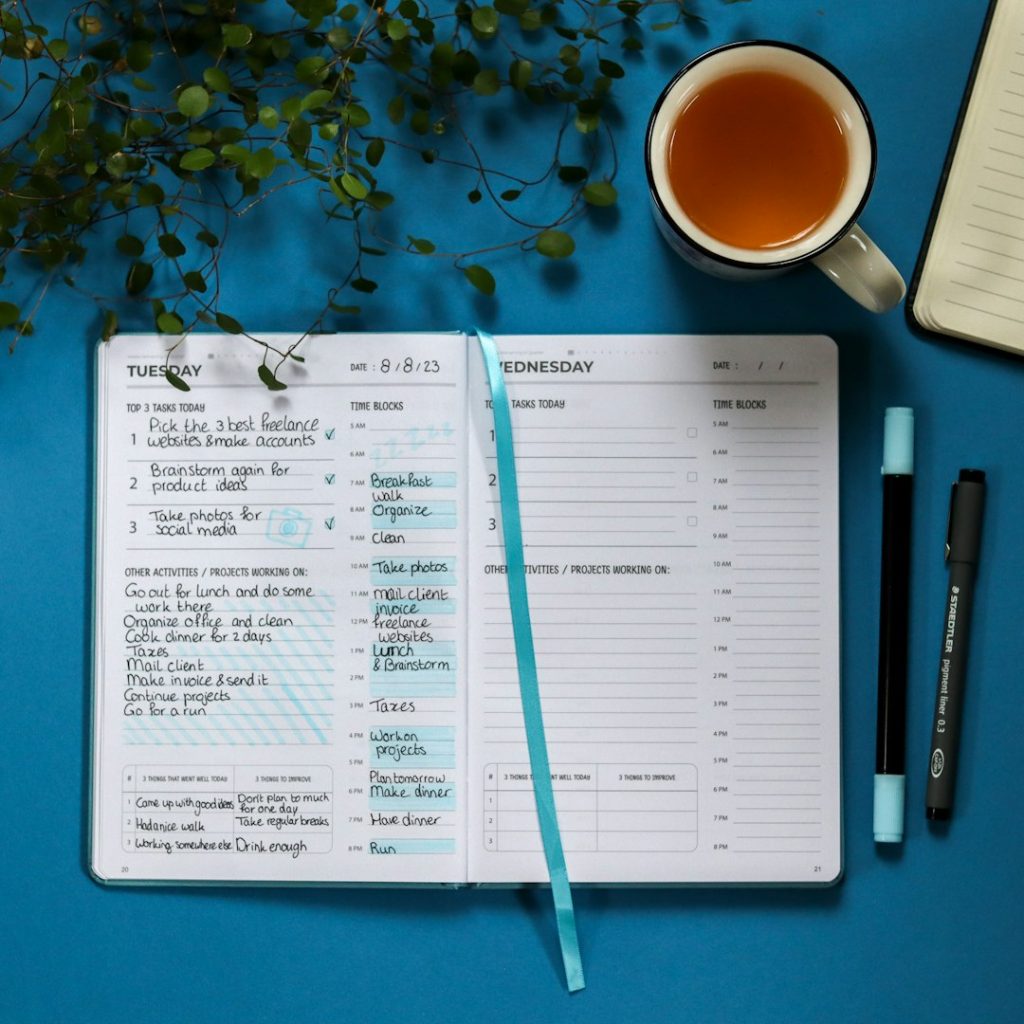
Your week has dentist appointments, soccer practice, and late meetings, but your dinner plan might not reflect that. Look at the calendar first, then match each night to the time you really have. Busy nights call for slow cooker meals, sheet pan dinners, or leftovers.
→ Read more about Real-Life Dinner Planning
6. Skipping Systems

No dinner plan, no recipe system, and no list of go-to meals means starting from zero every week. These mistakes are not flashy, but they quietly steal time and energy. A simple running grocery list and a list of 10 family favorites can fix a lot.
→ Read more about Missing Systems
7. Missing the Mental Load Traps

Dinner is about more than food. It is also about how you feel while making it. Guilt, decision fatigue, and unrealistic expectations can make even the best plan feel like a burden. Give yourself permission to serve simple meals and share the planning with others in the house.
→ Read more about Mental Load Mistakes
Quick Fixes You Can Start This Week
You do not have to fix all 23 habits at once. Start with one or two of these small changes:
- Pick just four dinners for the week and plan one leftovers night.
- Check your calendar before you plan, and give busy nights the easiest meals.
- Keep a running grocery list on your phone or the fridge.
- Write down 10 meals your household already likes and repeat them often.
- Move tomorrow’s frozen meat to the fridge before bed.
- Chop vegetables or cook a batch of rice on the weekend to save time later.
- Keep a few backup meals in the pantry, like pasta and jarred sauce or eggs and toast.
Frequently Asked Questions
How many meals should I plan each week?
Most people do well planning 4 or 5 dinners. Leave the other nights for leftovers, eating out, or a simple backup meal.
What is the biggest dinner planning mistake?
Planning for the week you wish you had instead of the week you really have. Match your meals to your schedule and energy.
How do I stop wasting groceries?
Plan meals that share ingredients, check the fridge before you shop, and schedule leftovers so food gets eaten.
Dinner planning should make your life easier, not add stress. If you are stuck in any of these patterns, you are not alone, and you are not doing it wrong. There is just a simpler way.
Click any of the links above to dig into the habits, fixes, and mindset shifts that will help make dinnertime simple again.