
📌 Part of a Series
This post is the first of 7 in the Tiny Dinner Meal Planning Mistakes series. It’s a practical look at small habits that quietly make dinner harder than it needs to be.
👉 See all 7 categories here
You start the week with a full dinner plan. You feel motivated and ready to go. Then Wednesday hits and you’re completely drained. Sound familiar? Overplanning seems like a good idea, but with dinner, doing too much too soon leads to burnout, frustration, and a lot of takeout.
Below are three sneaky overplanning traps and simple, realistic ways to avoid them. If you’ve ever felt worn out by your own dinner goals, this one is for you.
Mistake #1: Planning 7 Dinners with No Breaks
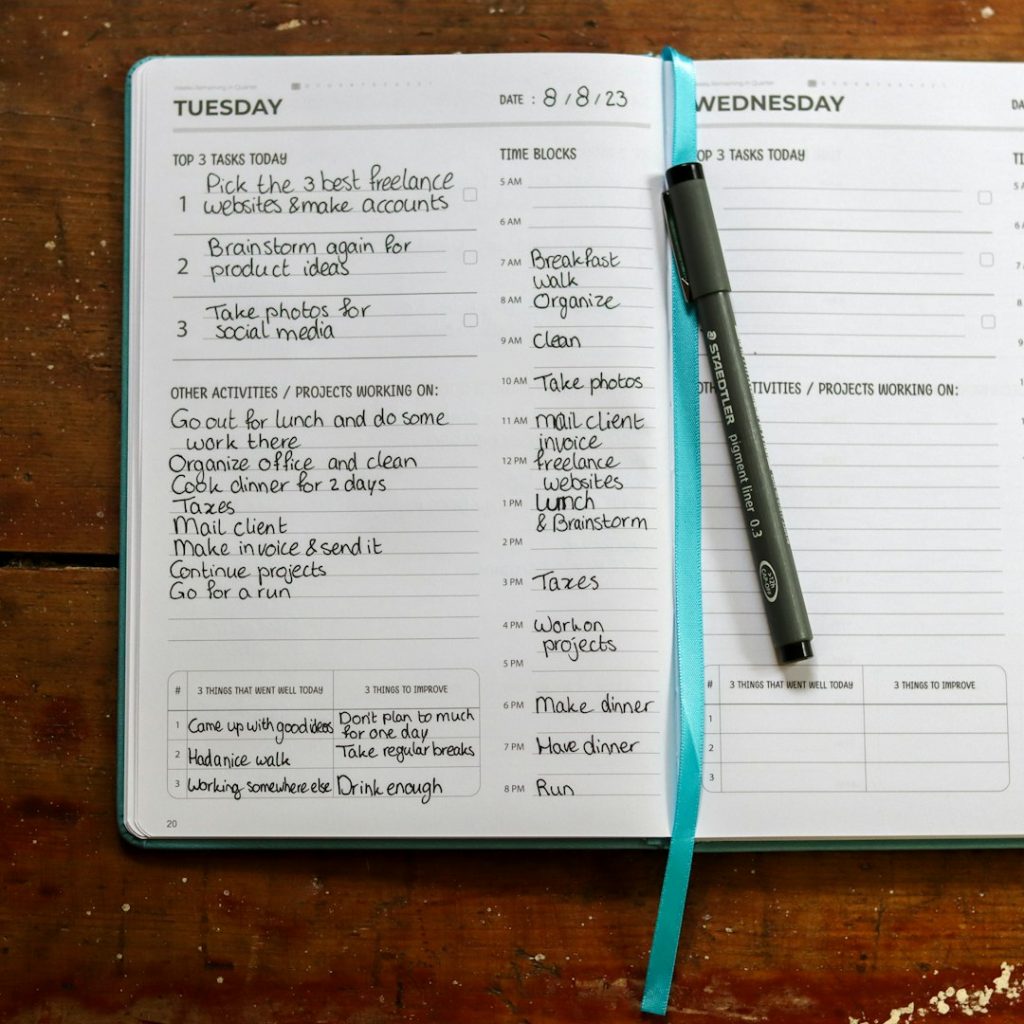
Why it happens: You’re trying to be responsible. You want to cook more, eat out less, and take control of your meals.
Why it backfires: Life is unpredictable. Some nights you’ll have leftovers. Some nights you’ll be too tired. A late meeting, a sick kid, or a surprise practice can knock out a planned meal. If you don’t leave room for those things, the whole plan falls apart fast. Then the groceries you bought for night six go bad in the fridge.
What to do instead: Plan 4 to 5 dinners at most. Build in a “free night” for leftovers, takeout, or a super simple meal like sandwiches or breakfast for dinner. That isn’t lazy. It’s realistic.
Mistake #2: Trying Too Many New Recipes in One Week
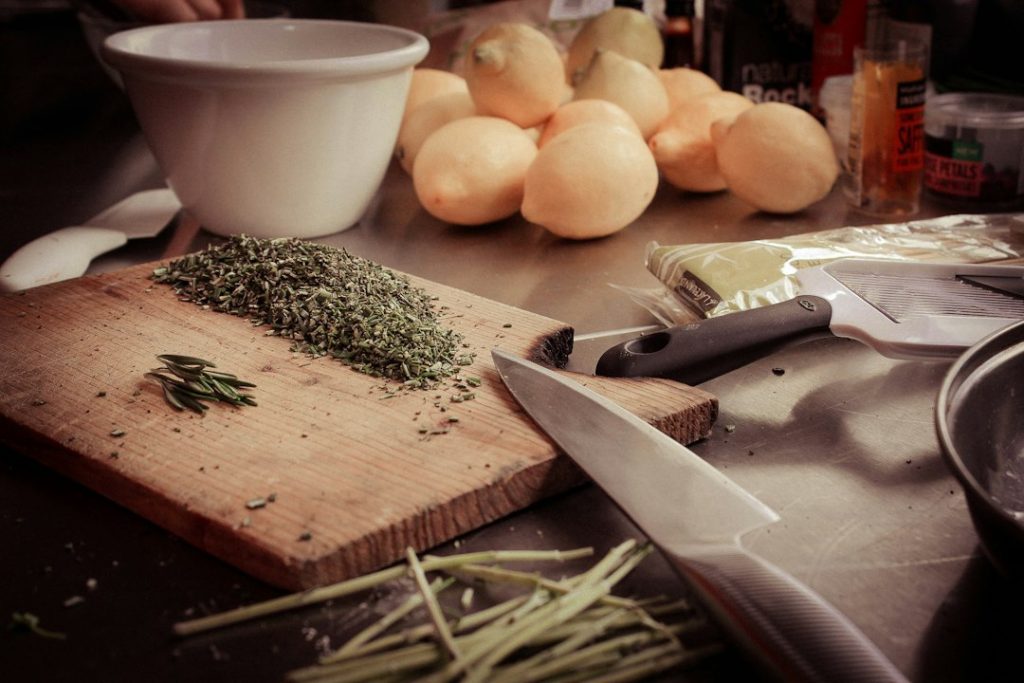
Why it’s tempting: You want variety, or you’re excited to finally make those recipes you pinned months ago.
Why it fails: Every new recipe adds decisions, new ingredients, and extra brainpower. You have to read the steps closely, hunt for spices, and guess at timing. Do that every night and dinner stops being easy. It turns into a chore. New recipes also tend to take longer the first time, which pushes dinner later.
What to do instead: Try just 1 or 2 new recipes each week. Make the rest meals you already know and trust. That keeps your mental load light and your confidence high. When a new recipe is a hit, add it to your regular rotation.
Mistake #3: Ignoring How Busy Your Week Actually Is
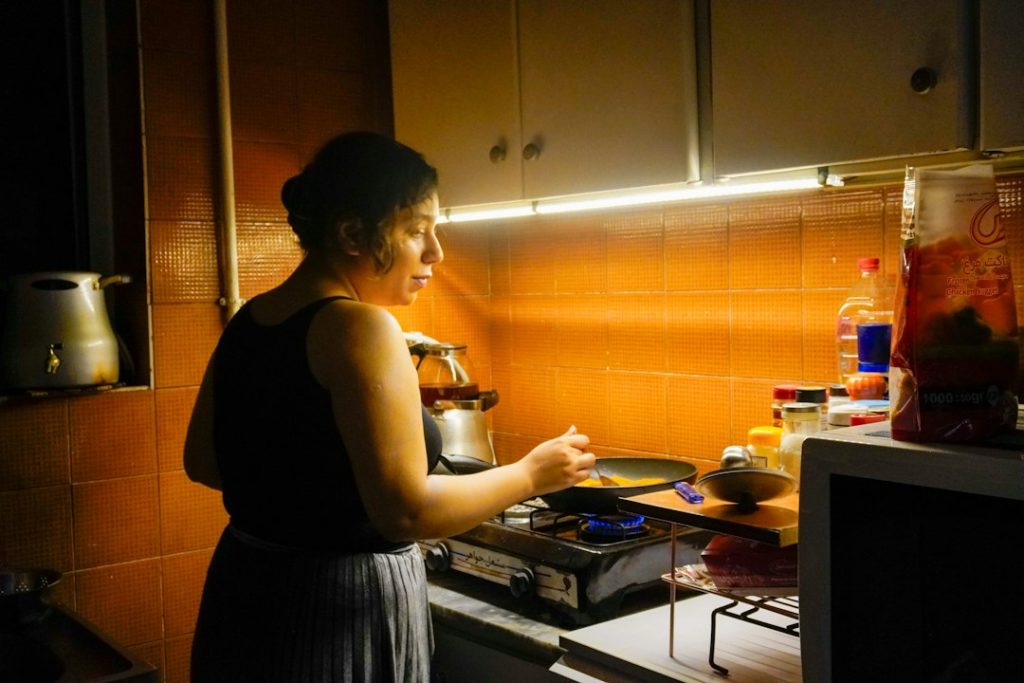
Why we overlook it: It’s easy to plan meals without looking at the calendar.
Why it matters: A meal that works on a quiet Sunday can be a disaster on a hectic Thursday. If your meal plan doesn’t match your energy, it won’t work.
What to do instead: Before you plan, look at your real week. Note the late nights, sports practices, and early mornings. Save new or involved recipes for slower nights. Pick quick dinners, slow cooker meals, or leftovers for the busy ones.
A Simple 10-Minute Planning Routine
Want a plan that actually lasts all week? Try this quick routine on Sunday or whenever you shop.
- Open your calendar and mark your busiest nights.
- Check the fridge and freezer for food that needs to be used up.
- Pick 4 or 5 dinners. Put the easiest ones on the busiest nights.
- Choose only 1 or 2 new recipes. Fill the rest with family favorites.
- Leave at least one night open for leftovers or a no-cook meal.
- Write a grocery list based only on those meals.
Signs You’re Overplanning
- You throw out produce every week because you never got to that meal.
- You dread looking at your meal plan by midweek.
- Your grocery bill keeps going up, but you still order takeout.
- You spend more time planning than cooking.
If two or more of these sound like you, scale back next week. Plan one fewer dinner than usual and see how it feels. Most people find they cook more often, not less, once the plan feels doable. Small wins build the habit.
Frequently Asked Questions
How many dinners should I plan each week?
Most families do best with 4 or 5 planned dinners. The other nights cover leftovers, eating out, or simple backup meals.
What are good backup meals to keep on hand?
Pasta with jarred sauce, frozen pizza, eggs and toast, quesadillas, or a rotisserie chicken with a bagged salad. Keep the ingredients for one or two of these in the pantry at all times.
Is it OK to repeat meals every week?
Yes. Many families rotate the same 10 to 15 dinners. Repeating meals saves time, money, and stress.
Summary
Overplanning is one of those dinner mistakes that feels like a good idea until it isn’t. If you keep ditching your plan by midweek, chances are you’re doing too much.
Aim for a flexible plan with room to breathe. Fewer recipes. More ease. Dinner doesn’t need to be ambitious. It just needs to get on the table.
Next up in the series: Underplanning and Scrambling Last Minute